

TL;DR – Why I Use the Tiffen Black Glimmerglass 1
If you don’t want to read the whole thing, here’s the short version:
- Look: Tiffen Black Glimmerglass 1 sits between Tiffen Glimmerglass 1/4 and Tiffen Glimmerglass 1/2 in strength. It looks a bit like Tiffen Black Pro-Mist 1/8, but with more contrast and less milky haze.
- Vibe: It gives tight, film-like halation without washing out the whole frame. Skin looks nicer, but blacks stay black.
- Use case: It’s “always-on” for me on the Leica Q3 and Ricoh GR IV – strong enough to feel, subtle enough to not ruin shots.
- If you like obvious white glow: start with Glimmerglass 1/4, not 1.
You can compare most diffusion filters side-by-side here:
👉 Lens Filter Library – R.W. Preisner
Note: A few links here are affiliate links. If you buy something through them, it helps support the blog ,nothing changes for you.
The Usual Diffusion Suspects
If you search for diffusion filters, you see the same names on repeat:
Tiffen Black Pro-Mist, Tiffen Glimmerglass, Moment CineBloom.
Some YouTuber says “Just get Glimmerglass 1, it’s cinematic” and everyone copies that.
In the Fujifilm subreddit, everybody and their grandma uses Glimmerglass 1.
For me, that’s already too much.
I want a filter where people think “this looks nice” but they can’t immediately tell why.
Not “oh, you’re using a mist filter again.”
That’s why I ended up with Tiffen Black Glimmerglass 1 (BGG1). At this point it basically lives on my lenses.
I’ve tested it on:
- Leica Q3 (full-frame, 28mm)
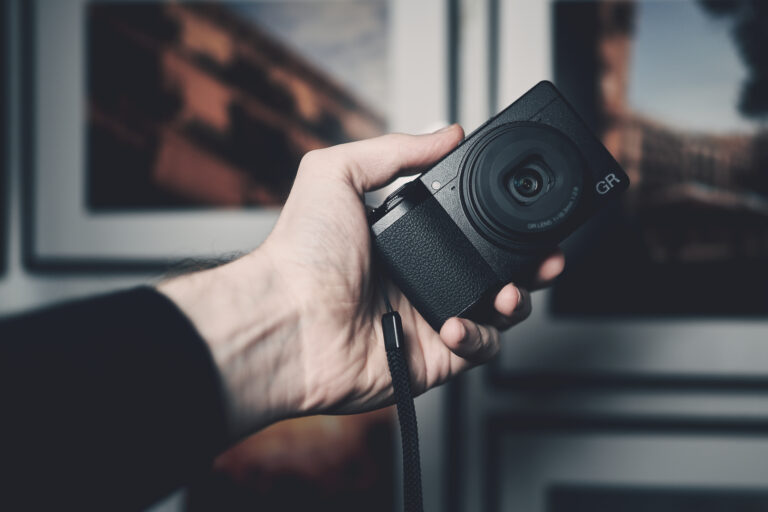
- Ricoh GR IV (APS-C, 28mm equivalent)

What Black Glimmerglass 1 Actually Does
On paper, the Tiffen Black Glimmerglass is “just another diffusion filter.” In real use it behaves very differently from typical white diffusion like Black Pro-Mist or regular Glimmerglass.
With white diffusion (Pro-Mist, Glimmerglass, CineBloom, etc.) you usually get:
- A milky haze over the whole frame
- Lifted blacks
- Big, soft glow around light sources that spills into the midtones
- That very obvious “I put a filter on” vibe
With Tiffen Black Glimmerglass 1, what I see is:
- Softened micro-contrast, not a global fog
- Glow that sticks tightly to highlights, instead of flooding the whole image
- Blacks that stay black
- Skin that looks a bit smoother and more forgiving, but still has structure and pores
On the Leica Q3 especially, it feels like it takes the edge off that brutally sharp 61MP sensor without turning everything into mush. The halation looks closer to what I’m used to from film, not like an Instagram effect.
Tiffen Black Glimmerglass 1 vs No Filter
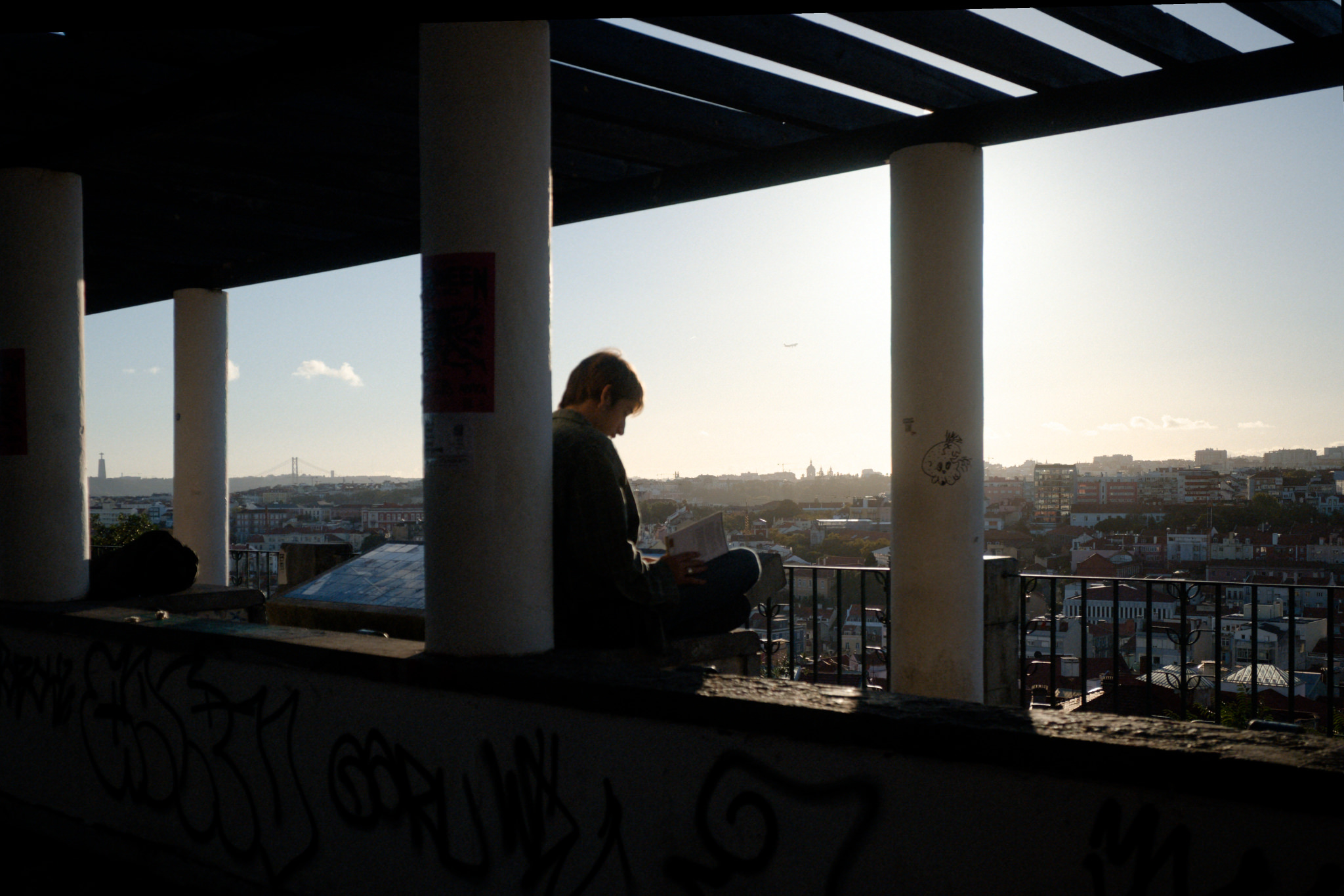
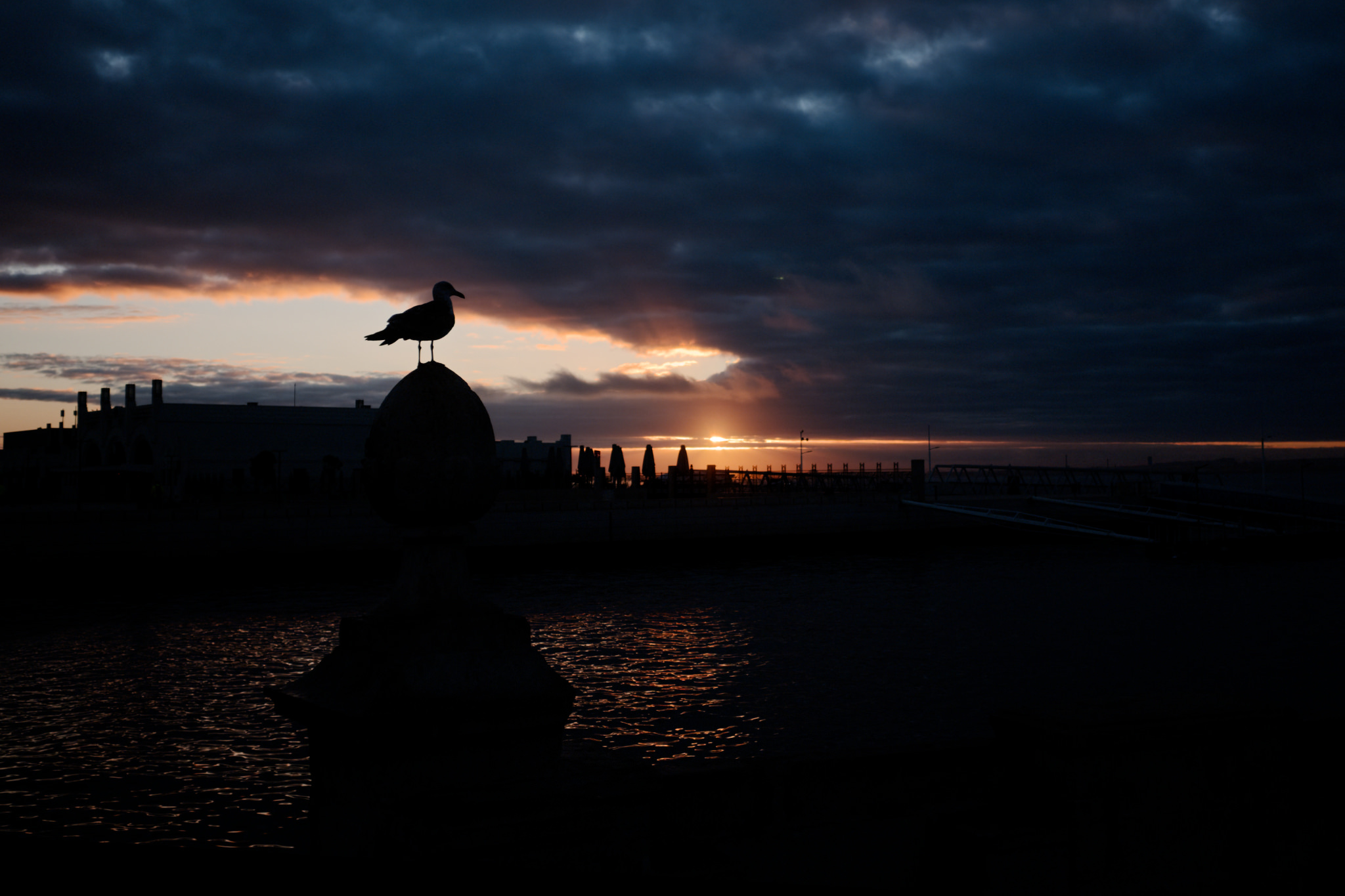
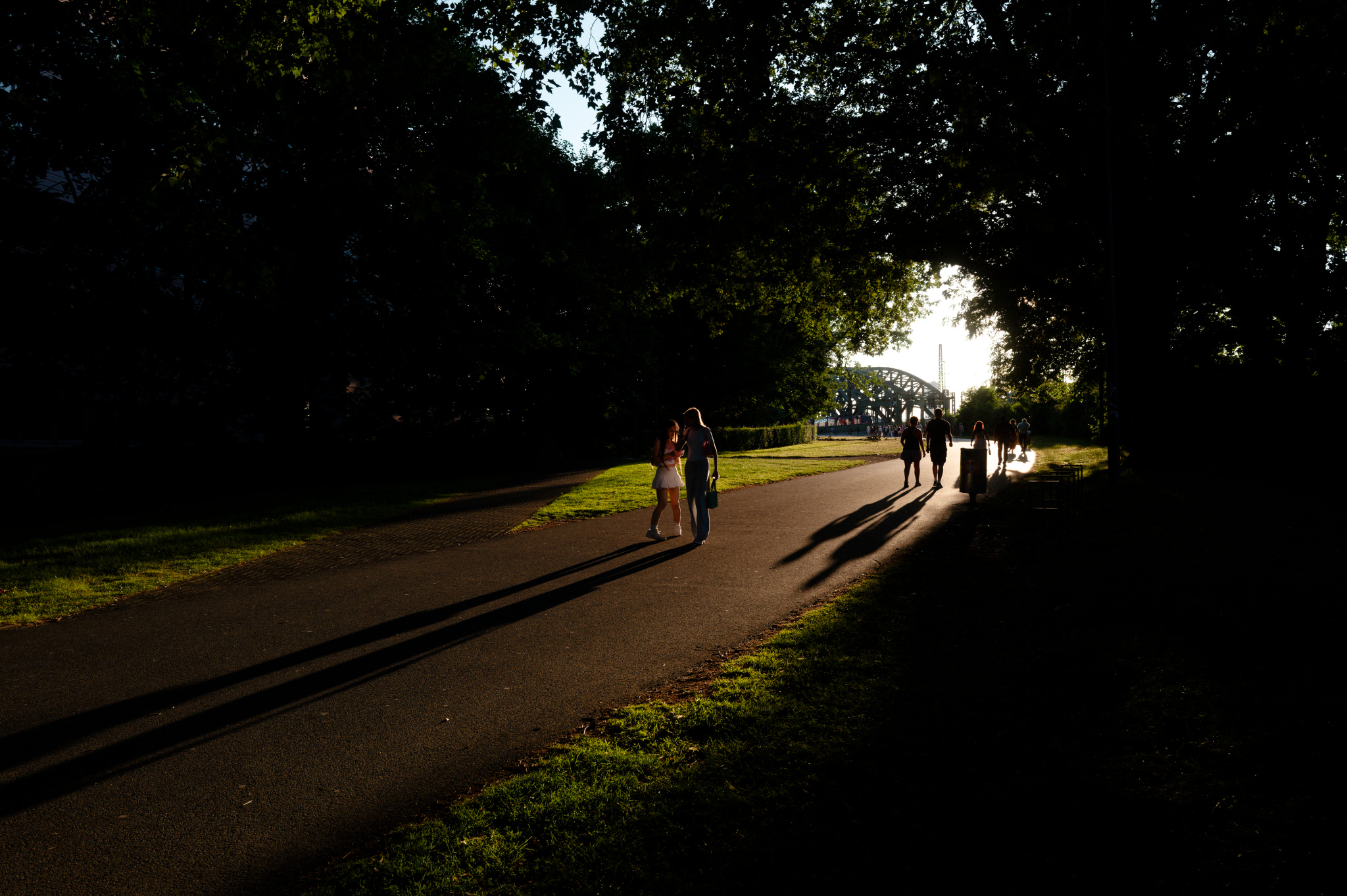
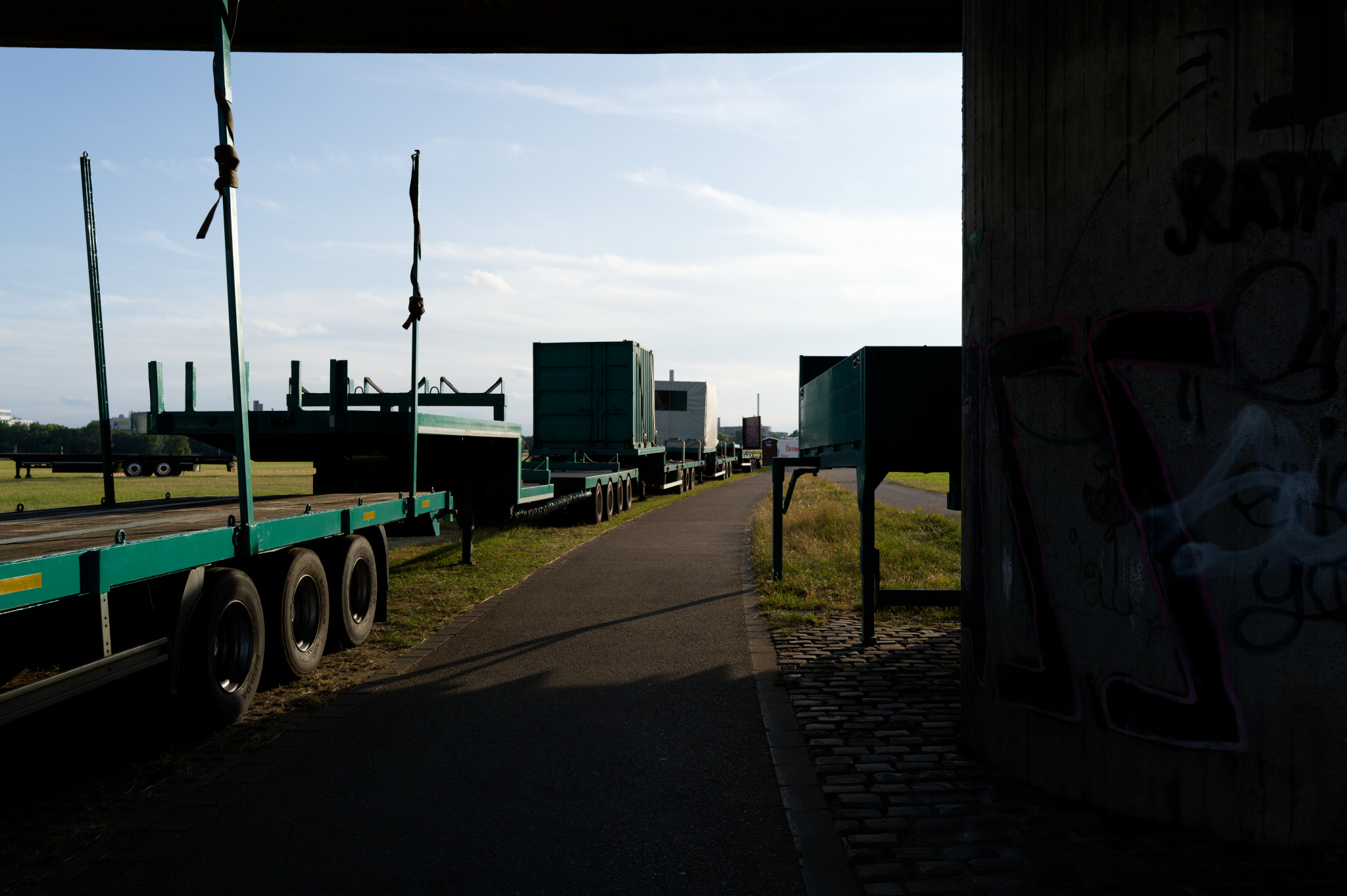
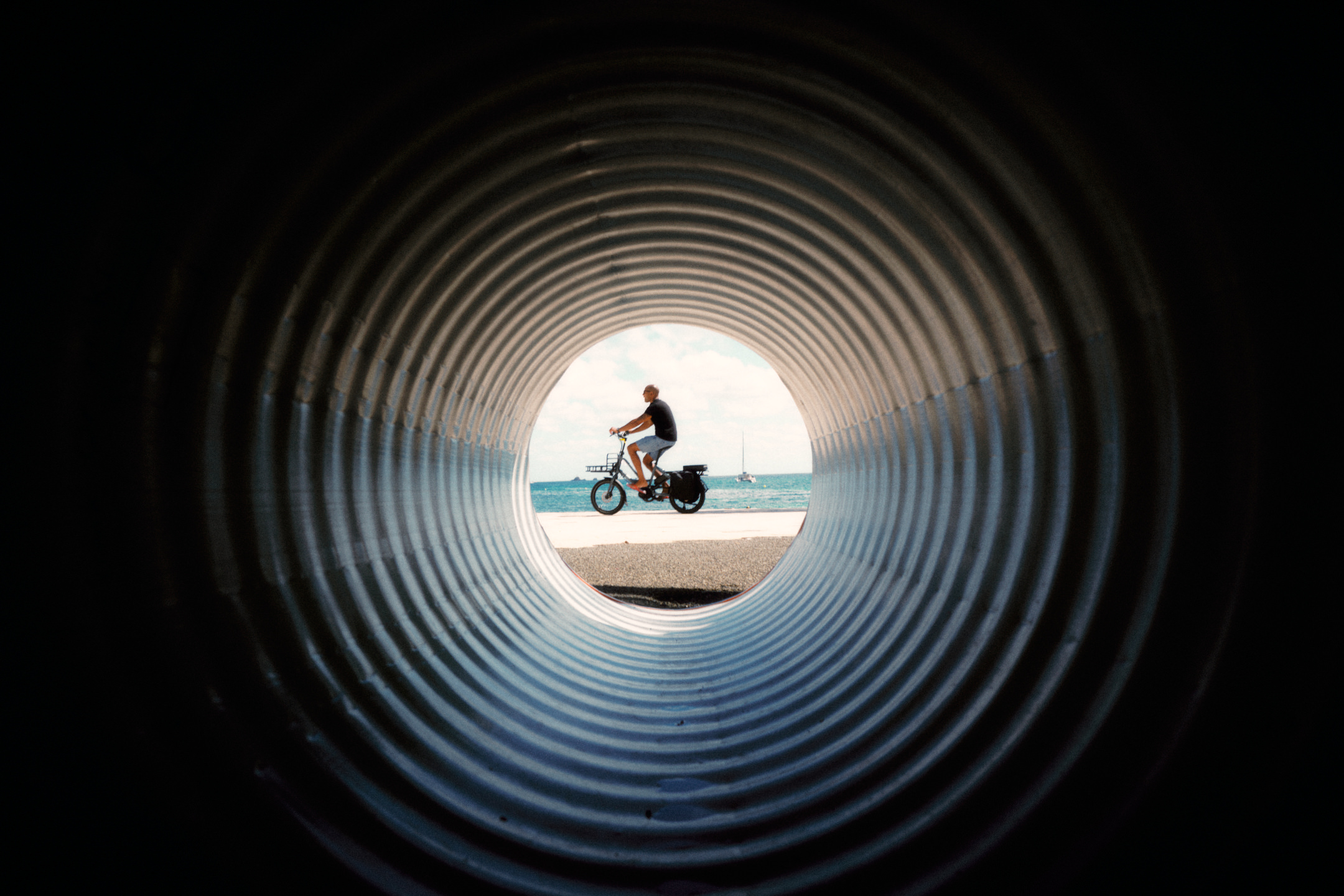
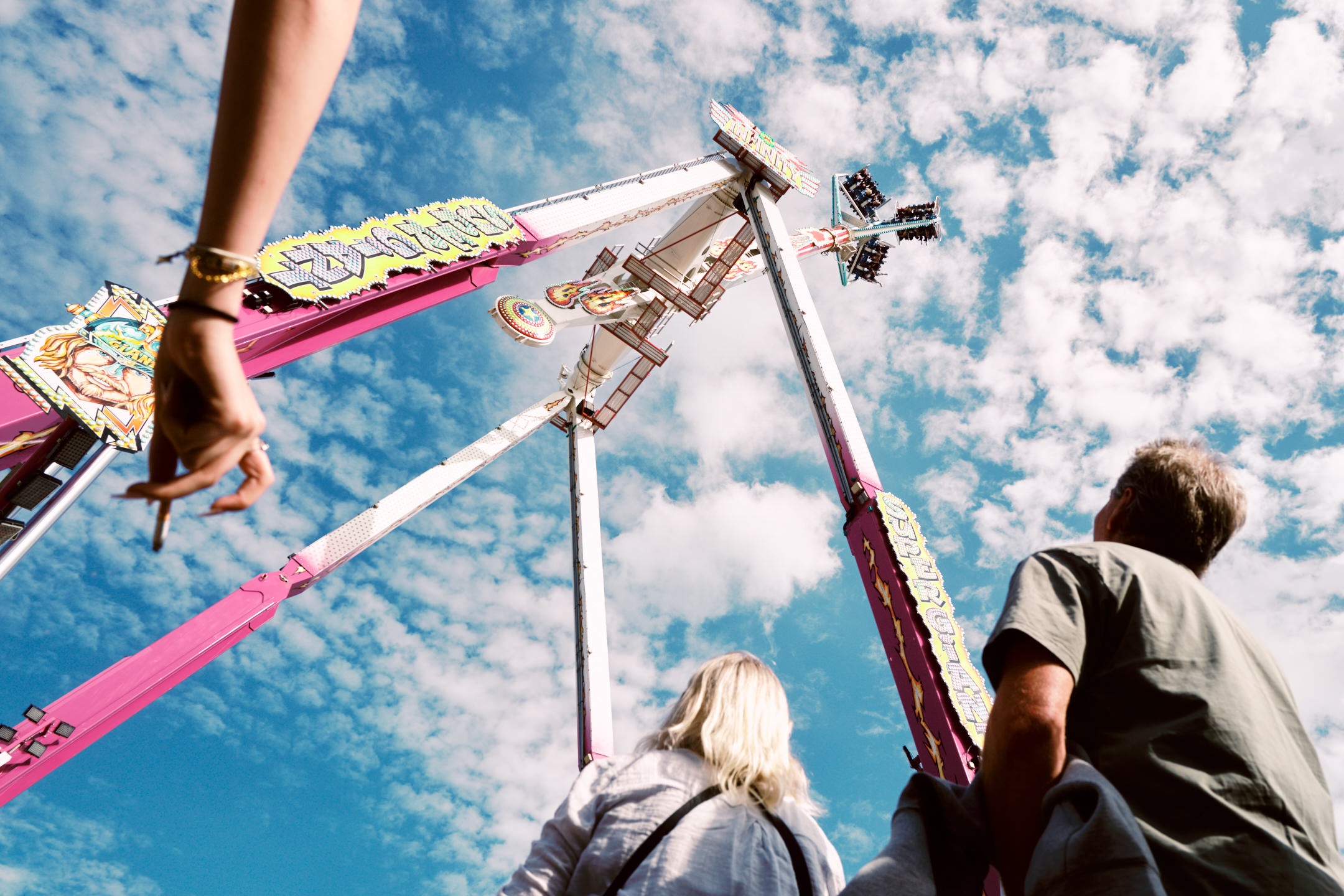
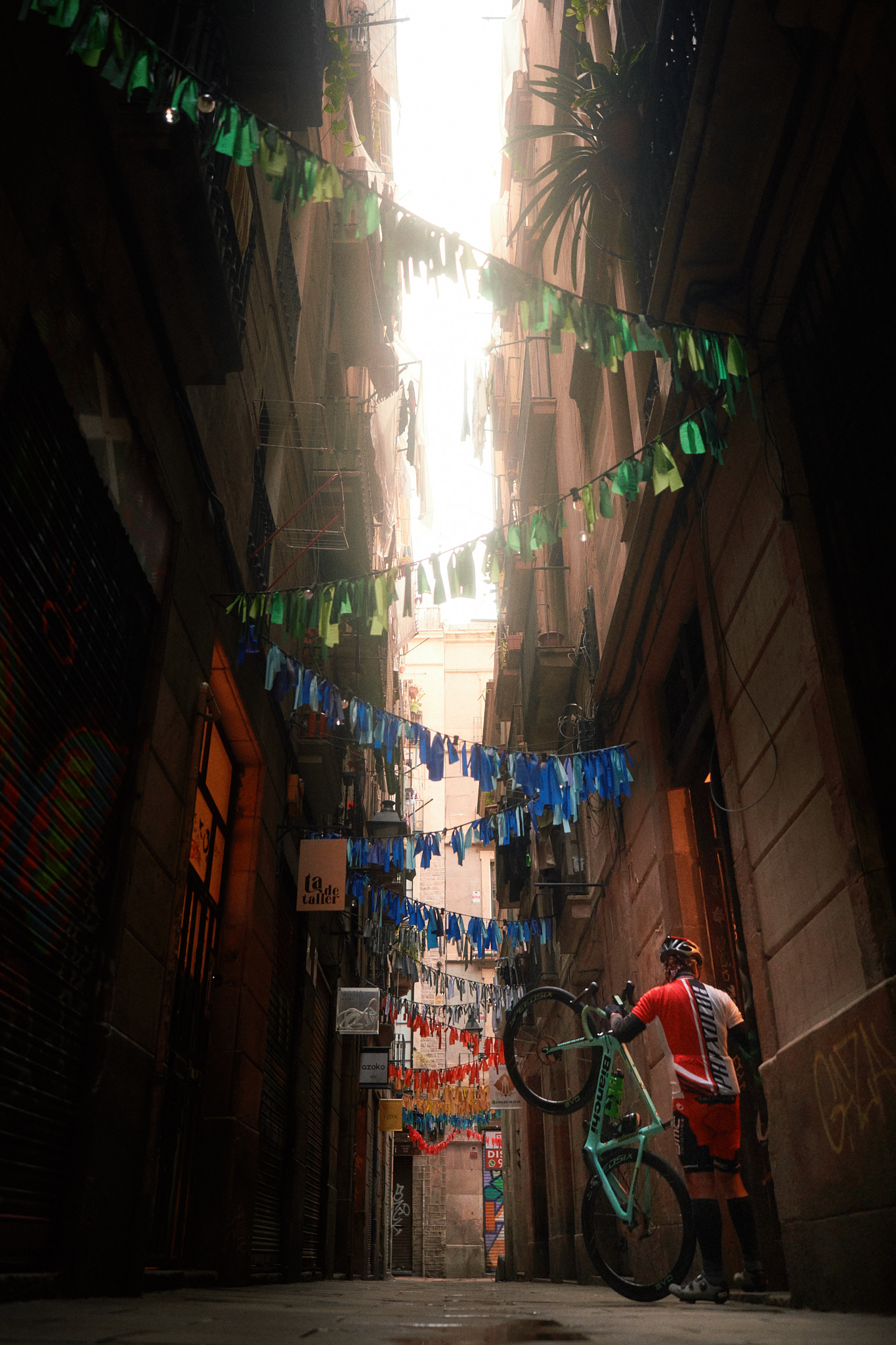
I shot multiple scenes with and without the TIffen Black Glimmerglass 1 on the Leica Q3 to see how it actually behaves in different lighting conditions.
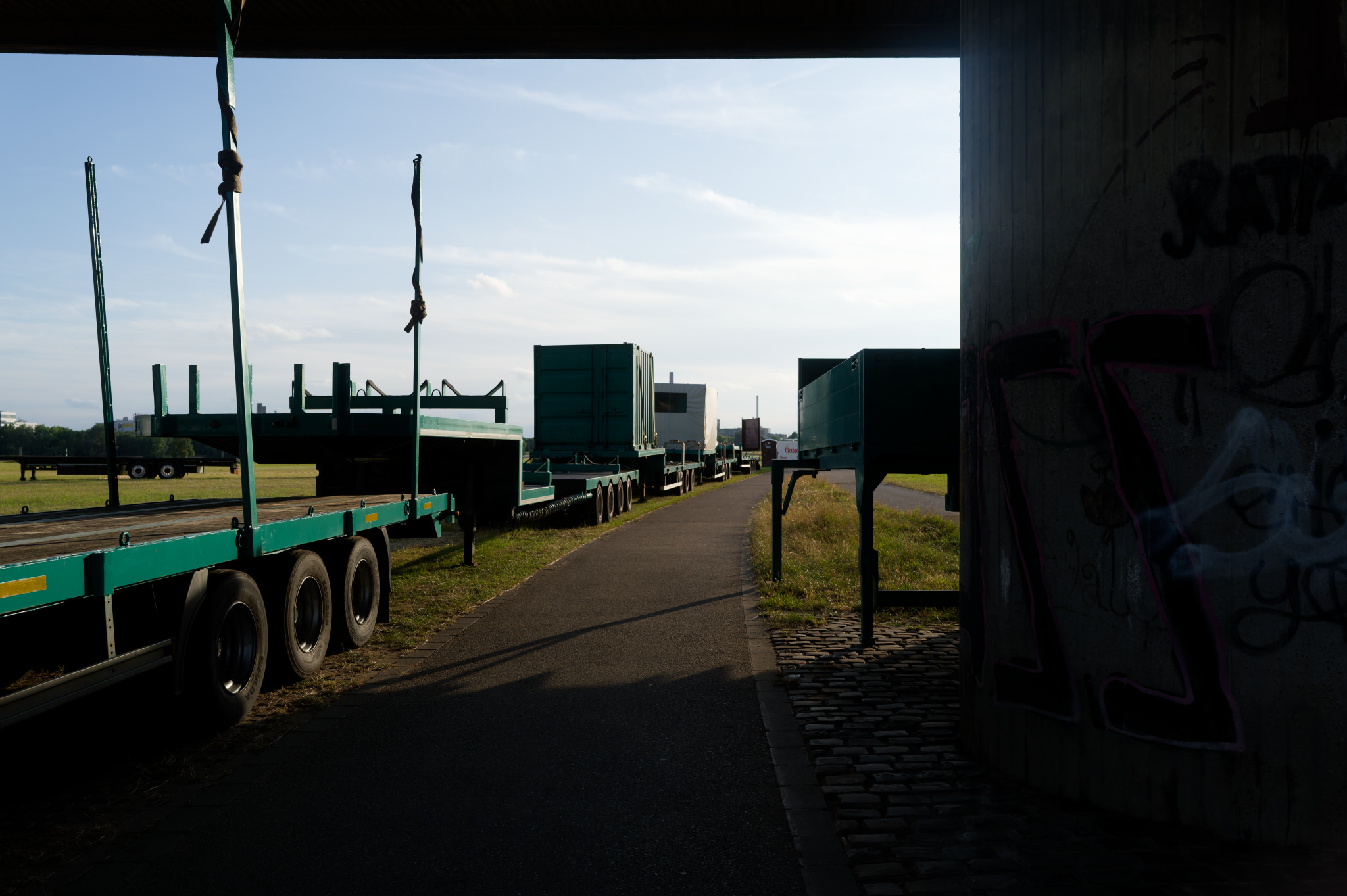
Blacks stay black, but you can see a bit of light bleed in the top-right corner and the typical softening you get from all Glimmerglass filters.
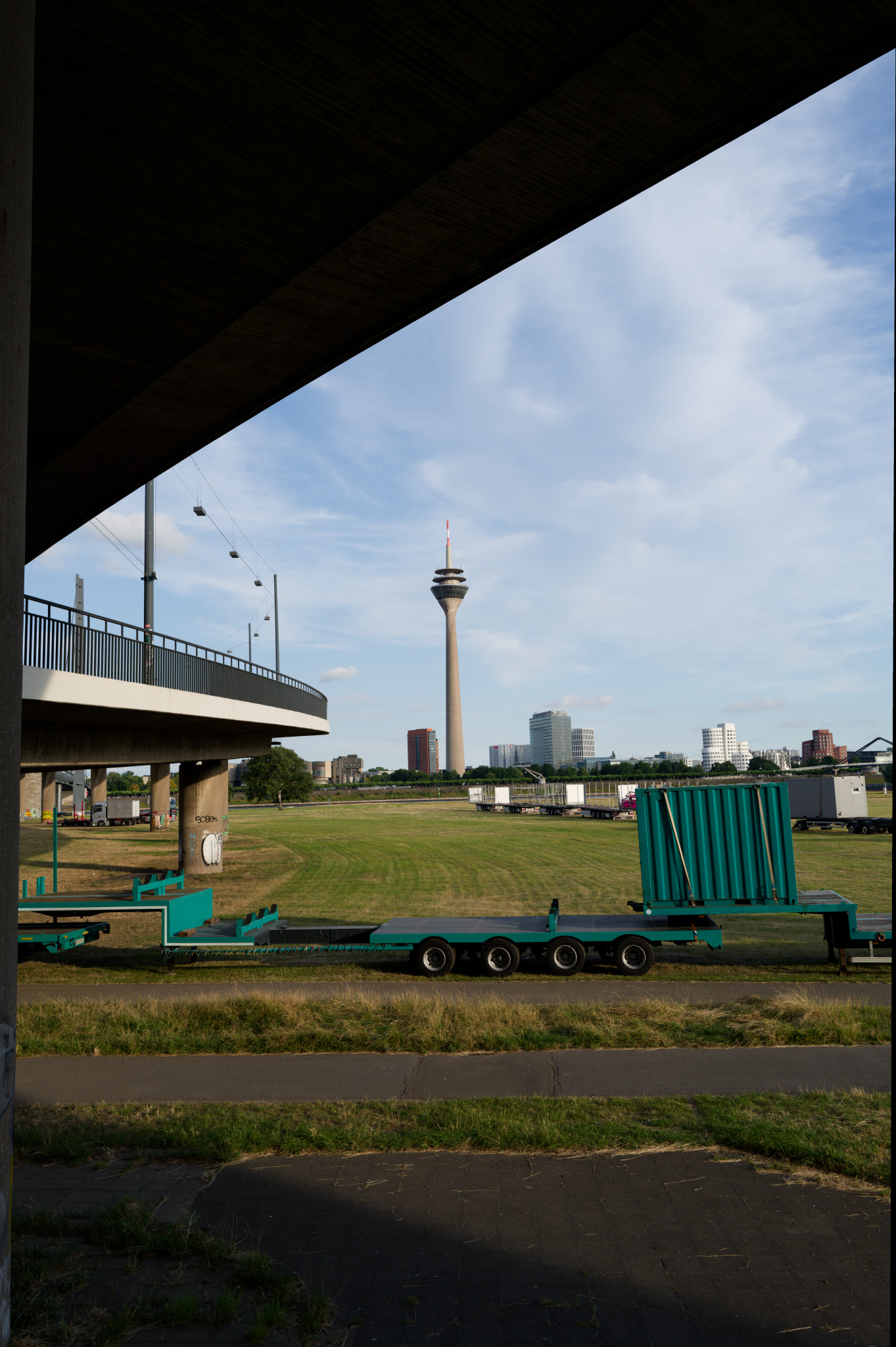
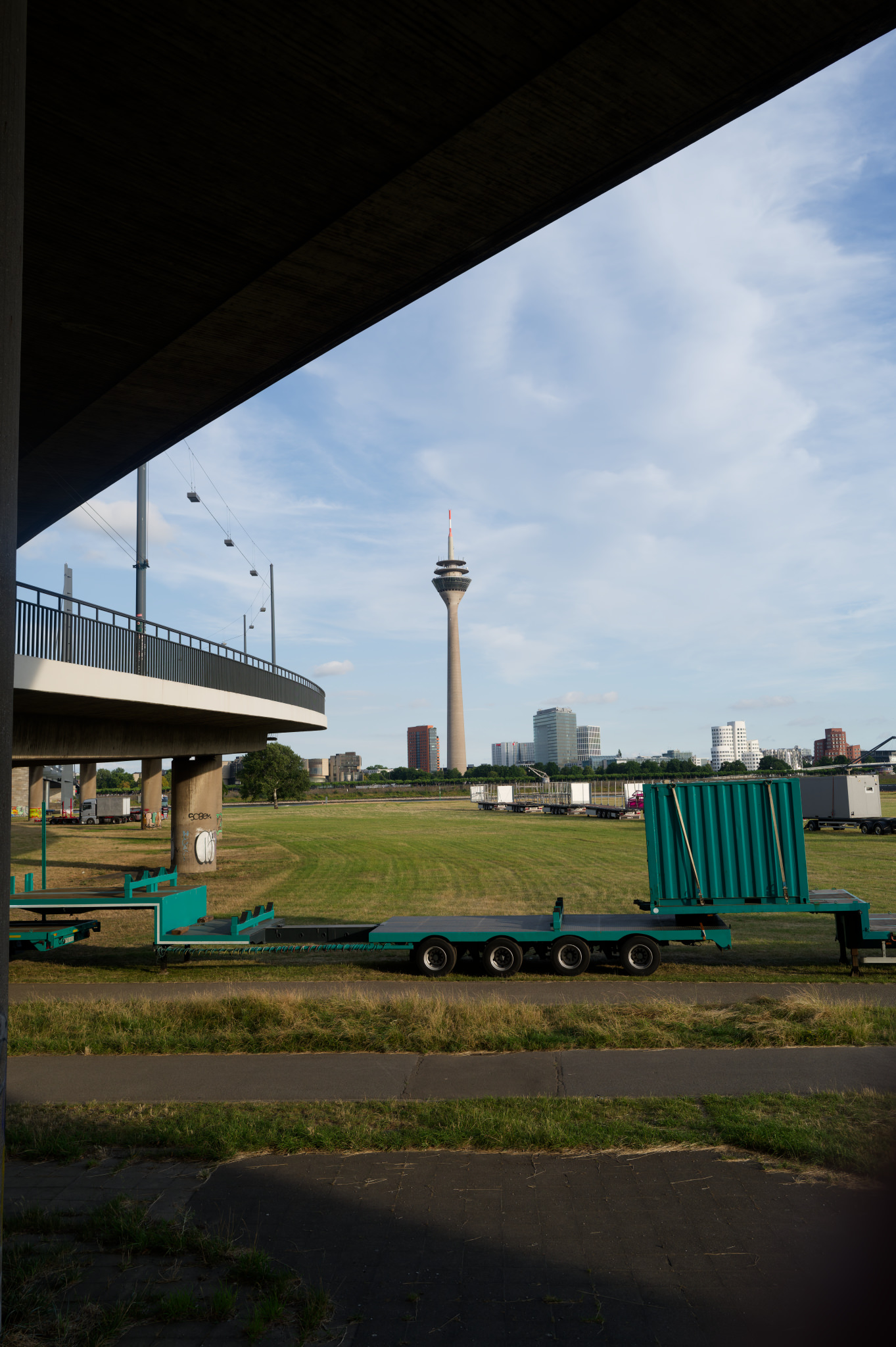
Here you can see the slight halation and a small drop in micro-contrast. Nothing dramatic, and you can bring back the contrast in post without any issues.
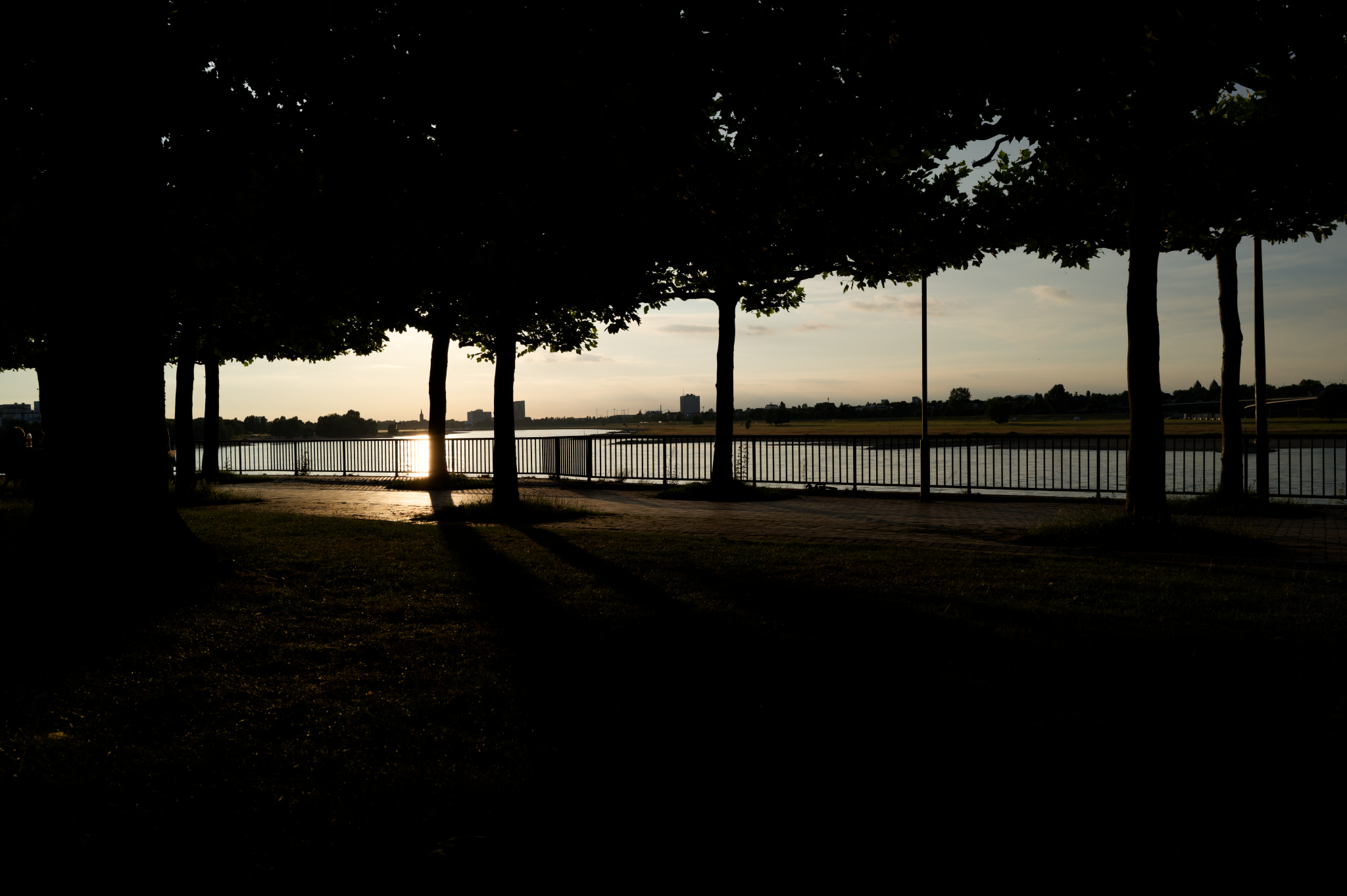
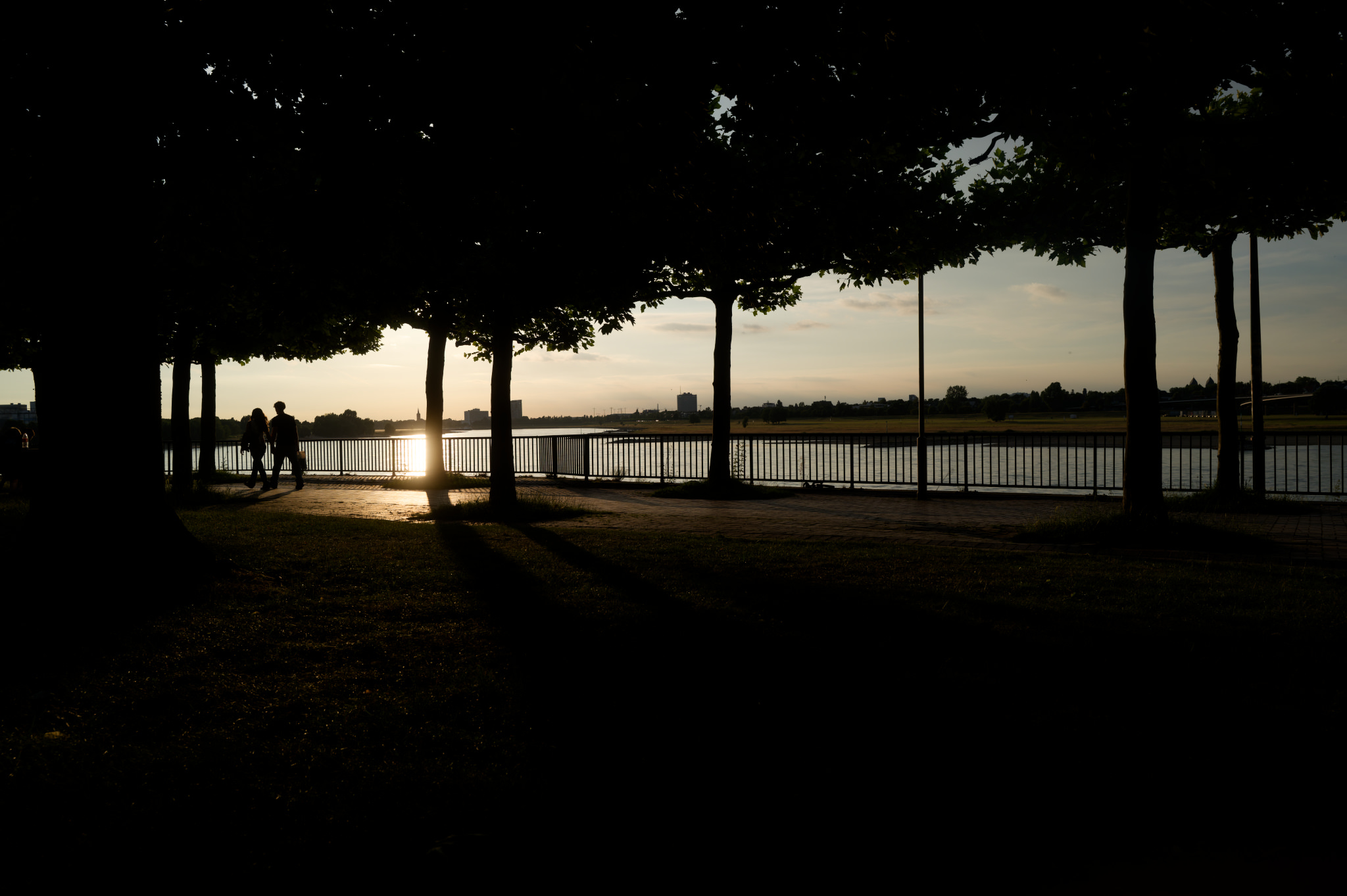
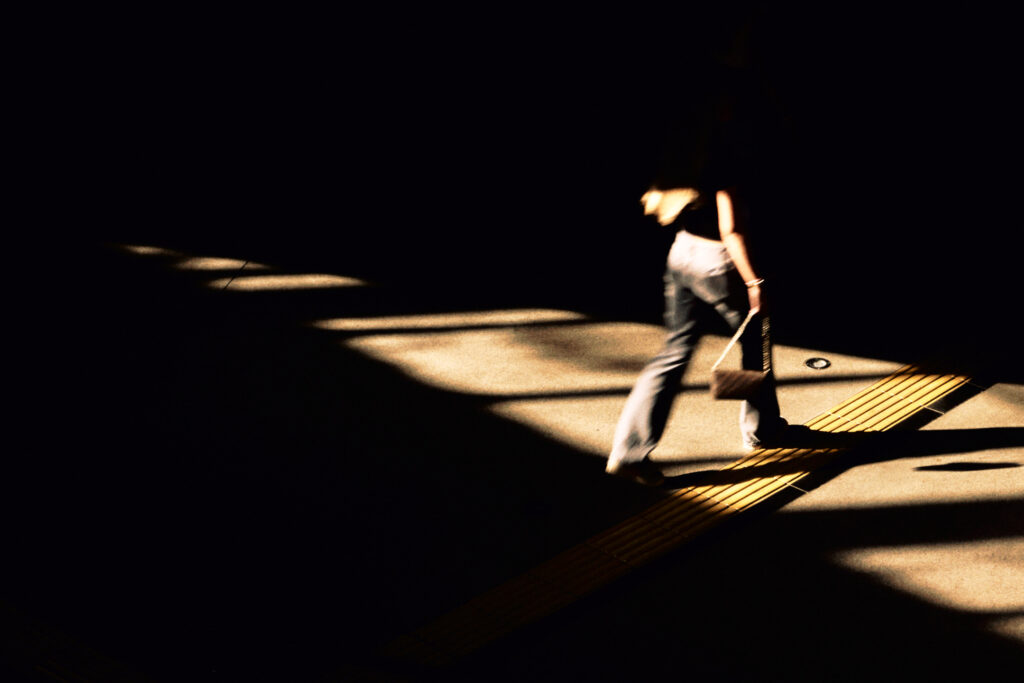
This scene has pretty harsh contrast, and you can see how the halation mostly sticks to the highlights. Overall contrast is slightly reduced, and blacks lift just a touch — most people wouldn’t even notice. A tiny bump in contrast fixes it.
With regular Glimmerglass 1, this same scene would look much flatter and more washed out.
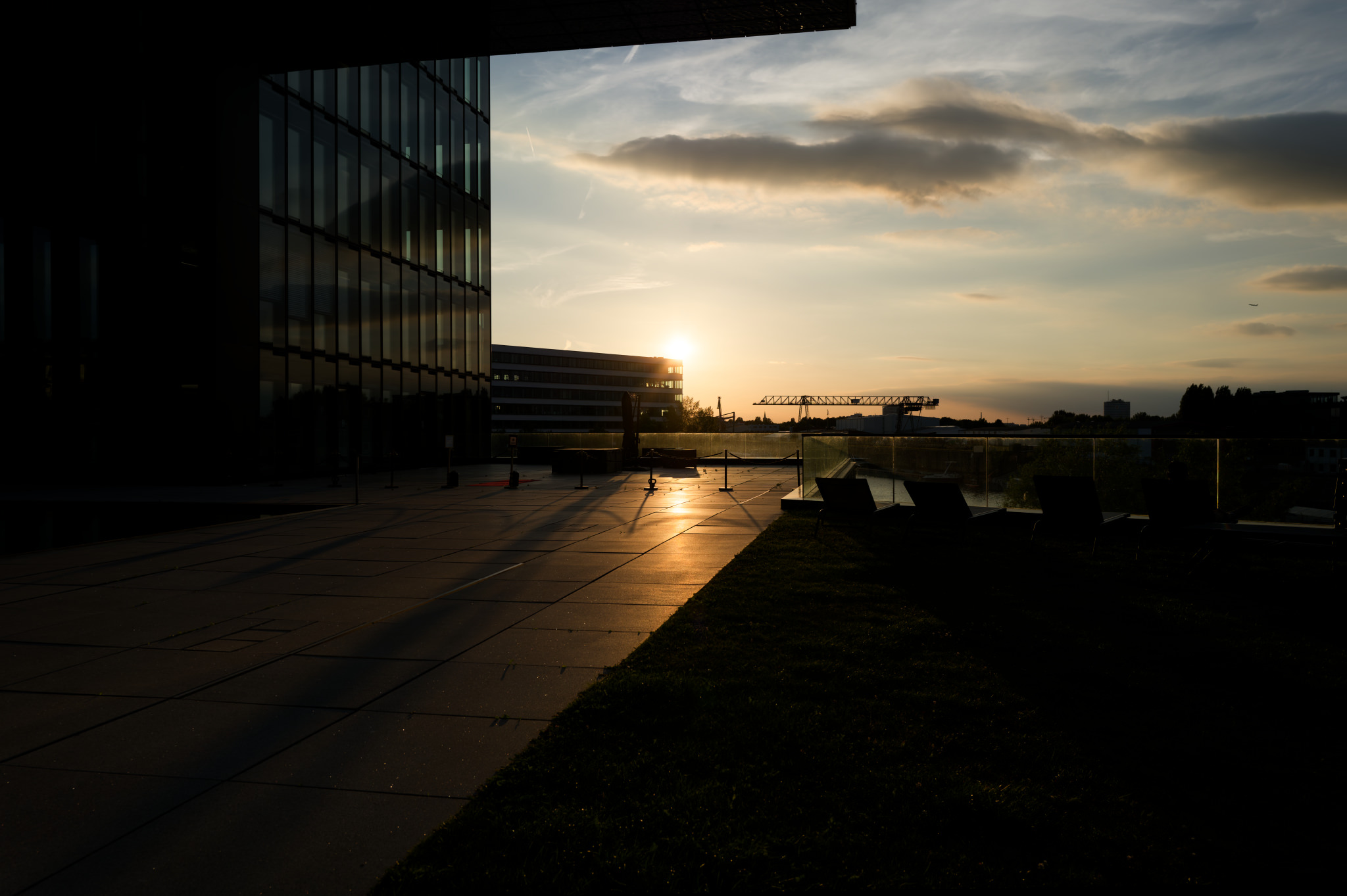
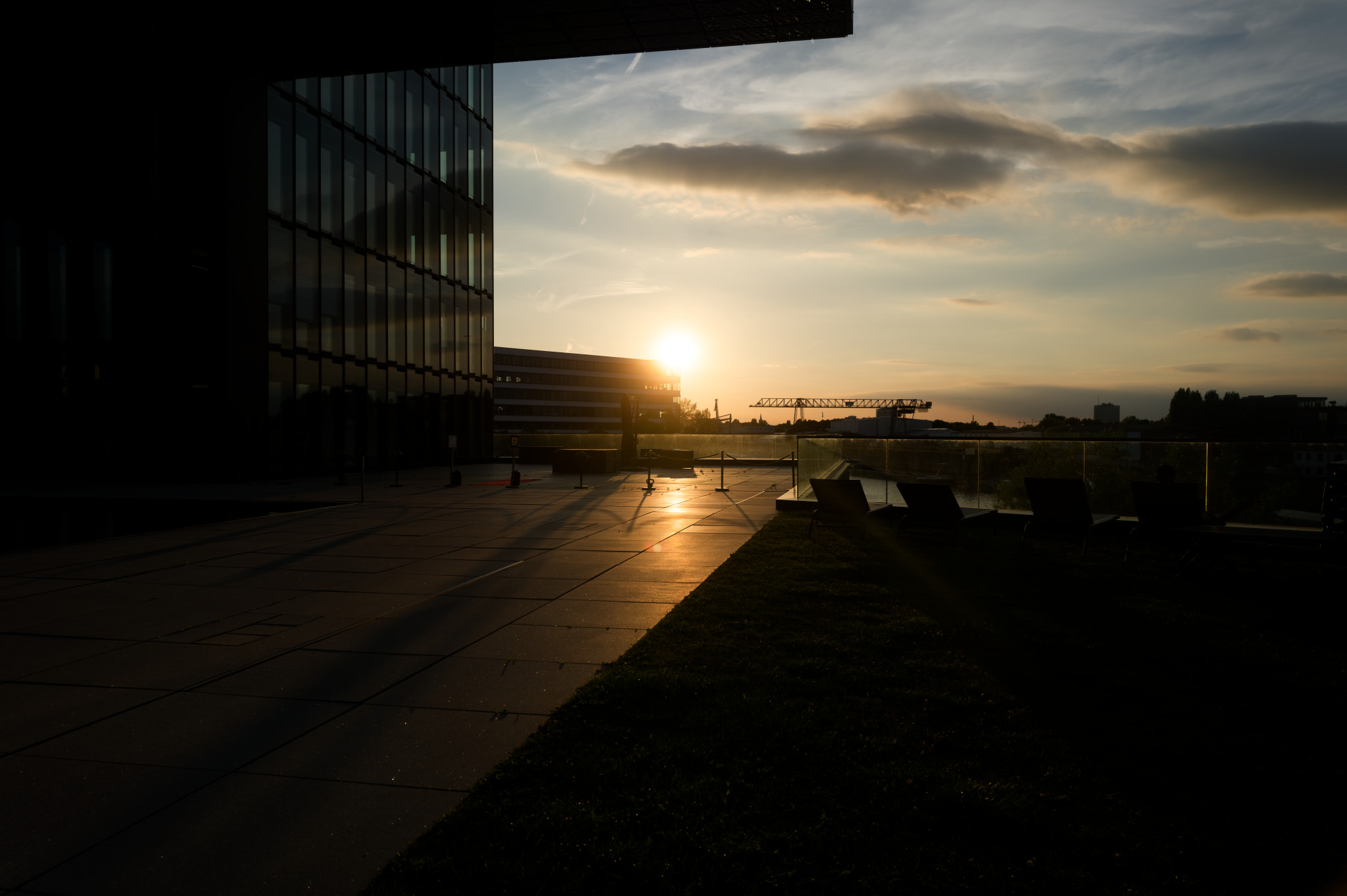
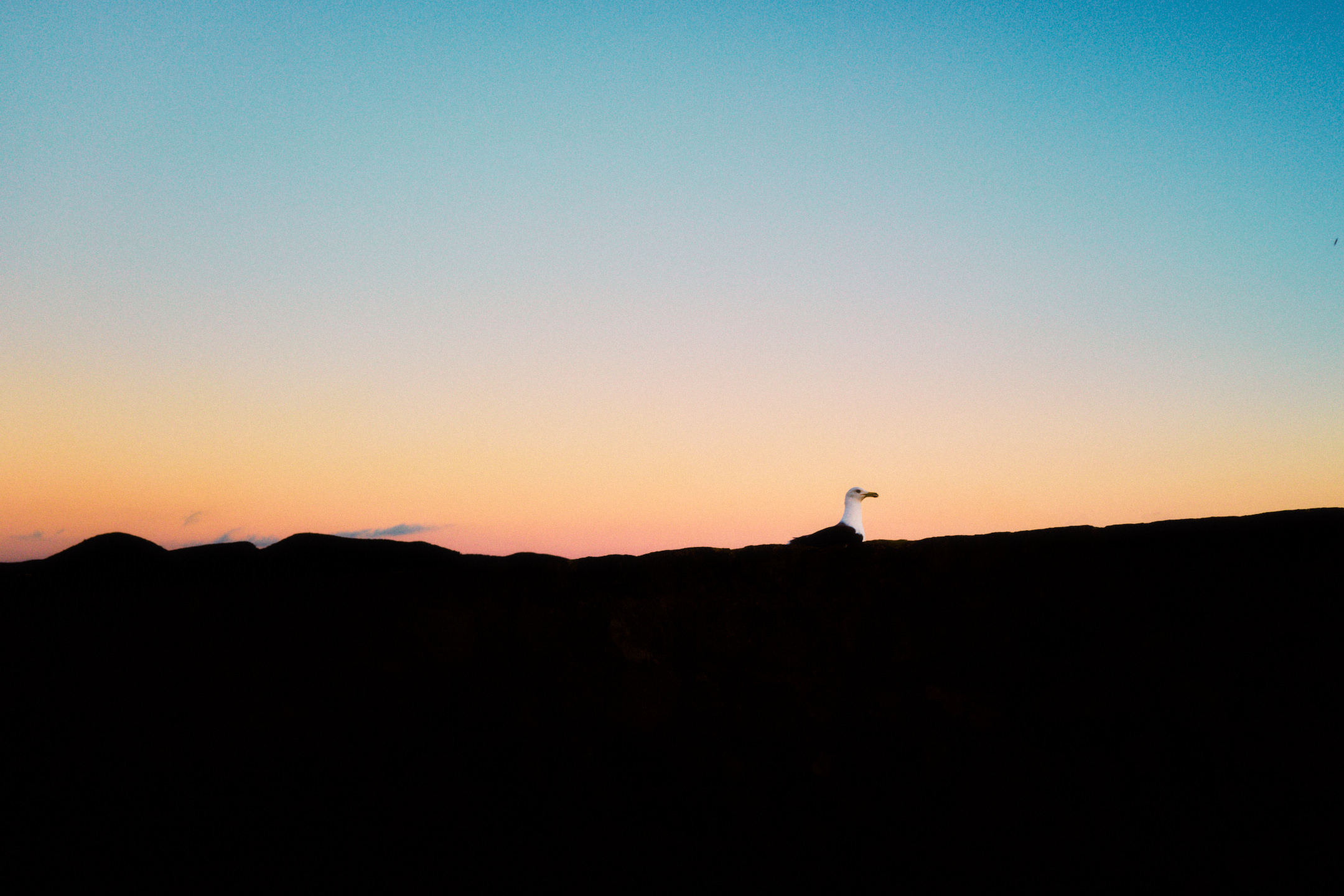
Shooting straight into the sun is usually where diffusion filters fall apart, but the Black Glimmerglass handles it surprisingly well. There’s a small reflection from the filter, this happens sometimes, but in my experience the green reflective orbs show up way more often with regular Glimmerglass.
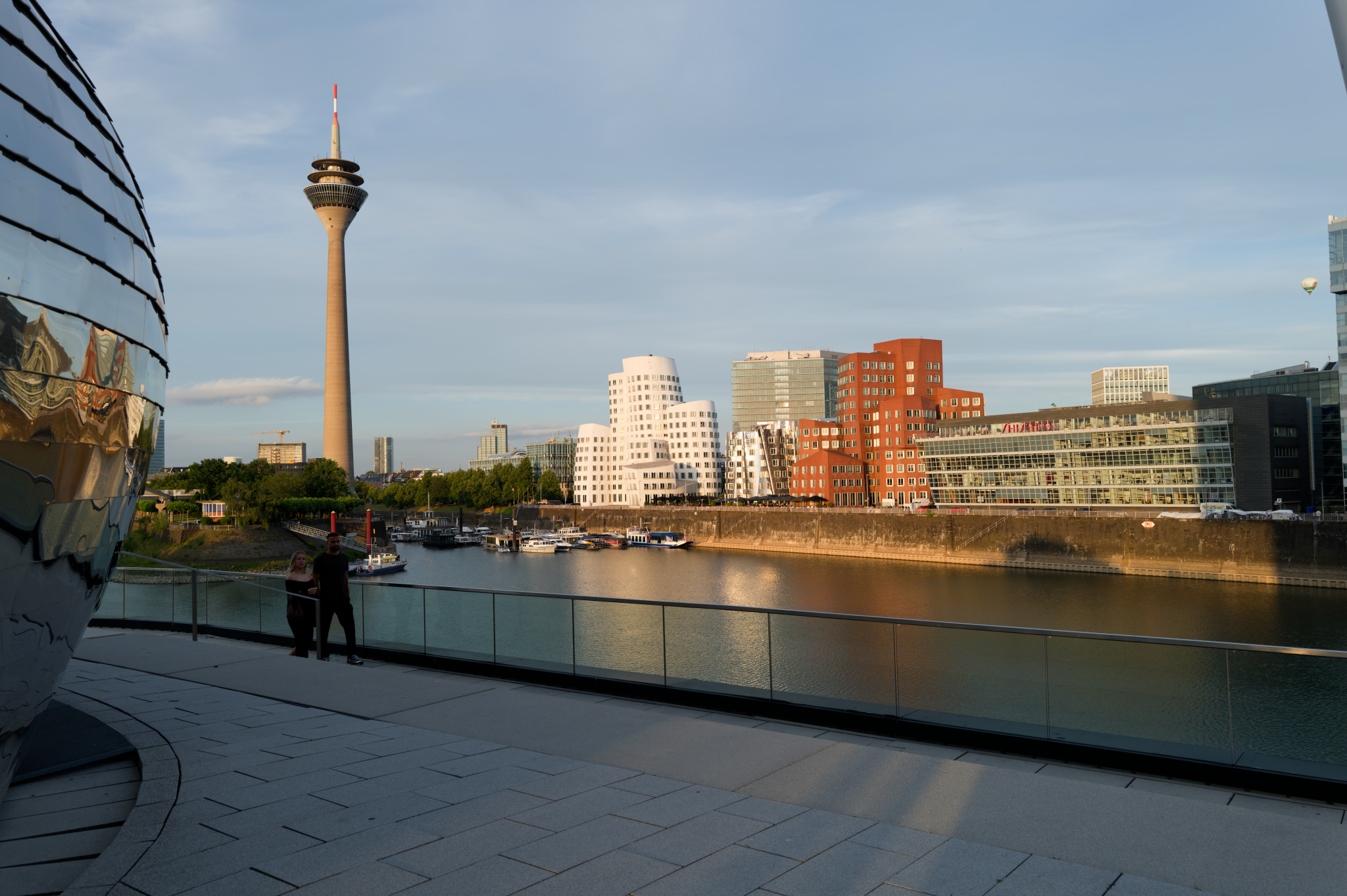
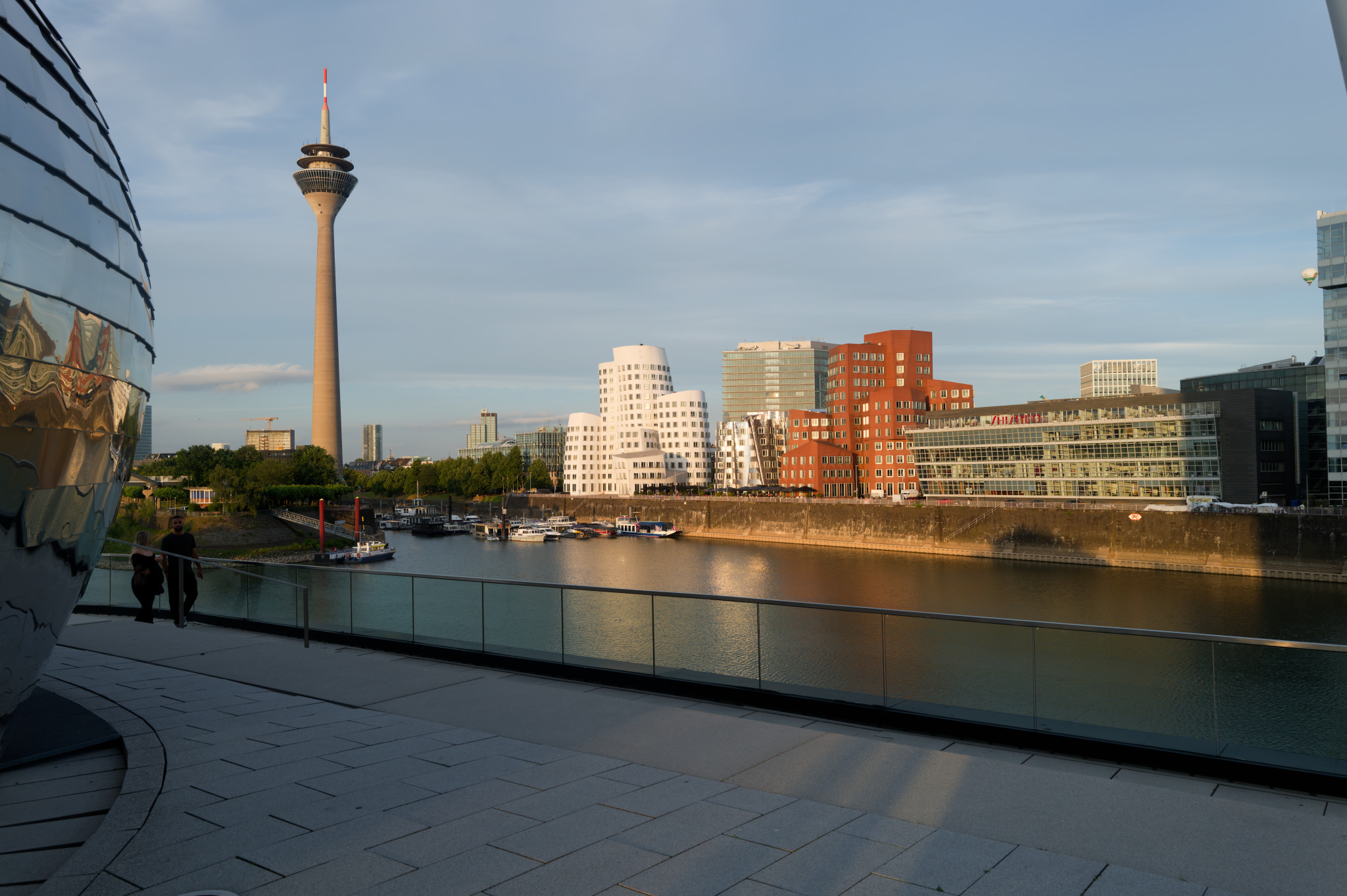
Same story: a bit less contrast, a bit of glow, but nothing that feels “baked-in” or destructive to the file.
Across all these scenes, flat light, harsh sun, backlight, and mixed contrast, the Tiffen Black Glimmerglass 1 stays controlled. You get a touch of glow, a small drop in micro-contrast, and occasional reflections in extreme angles, but nothing that locks you into a look or ruins the file.
White vs Black Diffusion: Same Idea, Completely Different Mood
Let’s simplify it.
White diffusion
(Pro Mist, Glimmerglass, CineBloom…)
White diffusion is the classic “misty” look. The glow spreads a lot, contrast drops, and strong highlights turn into big soft blobs. It works really well for portraits because it evens out skin, hides small imperfections, and creates a dreamy, flattering look.
For street or travel I think it’s usually too much. Blacks lift, midtones get muddy, and the whole scene loses punch. You immediately see that a filter was used, which is exactly what I try to avoid.
Funny thing is that black diffusion can look sharper even though both soften micro contrast. Since black diffusion keeps shadows darker, edges feel more defined, while white diffusion lightens everything and looks softer overall.
White diffusion has its place, especially if you want a romantic or stylized portrait vibe. I just don’t reach for it in everyday shooting.

Black diffusion
(Black Glimmerglass, Black Pro Mist, etc.)
Black diffusion behaves completely differently. The glow stays tight around highlights and subject edges instead of flooding the whole frame. Backgrounds keep their texture, contrast stays stronger, and shadows don’t get lifted. It looks more like a subtle layer of atmosphere instead of a fog machine.
This is why black diffusion often feels more cinematic and controlled. You get the mood, but it doesn’t scream for attention. The scene still looks like itself, just a bit softer and more forgiving. And because the blacks stay dark, the image can even feel sharper than with white diffusion, even though it’s technically still softening micro contrast.
For everyday street, travel, night shooting, or anything where you want a cleaner, film-like glow without killing the contrast, black diffusion just works. It gives character without taking over the whole image.
The way I’d summarize it:
With white diffusion, the filter is the star of the show.
With Black Glimmerglass 1, the scene is still the star – the filter just quietly helps.
How Strong Is Black Glimmerglass 1 Really?
This is where it gets interesting.
In my experience:
- Black Glimmerglass 1 sits somewhere between Glimmerglass 1/4 and Glimmerglass 1/2 in terms of how strong it looks.
- The halation feels similar in strength to Black Pro-Mist 1/8, but with more contrast and less milky haze.
So no, BGG1 is not invisible. You do see it.
But it’s non-destructive in a way that I really like:
- A lot of the time you’d need a side-by-side comparison to realise what changed.
- You feel that the image is softer and more cinematic, but it doesn’t shout “this is a diffusion shot.”
If you like that classic white halation look instead, I’d say:
- Go for Glimmerglass 1/4.
- On a 61MP camera like the Q3, GG 1/4 is already strong enough. You don’t need to jump straight to Glimmerglass 1 unless you’re going for a very stylised, dreamy image.
Again, you can nerd out on comparisons here:
👉 Lens Filter Library – R.W. Preisner
Why I Don’t Use Regular Glimmerglass 1 for Everyday Shooting
Online, “Glimmerglass 1” is the default recommendation.
It’s the YouTube-approved “cinematic strength.”
And yes, it looks cinematic. It’s also a lot.
Regular Glimmerglass 1:
- Adds a very strong diffusion effect
- Works well when you want people to immediately see the filter
- Is great for certain music videos, stylised portrait sessions, or specific narrative looks
For daily street, travel and casual portraits, I think it’s overkill. You start to lose subtlety. Highlights get too soft, scenes get a bit mushy, and you’re locked into that look on every frame.
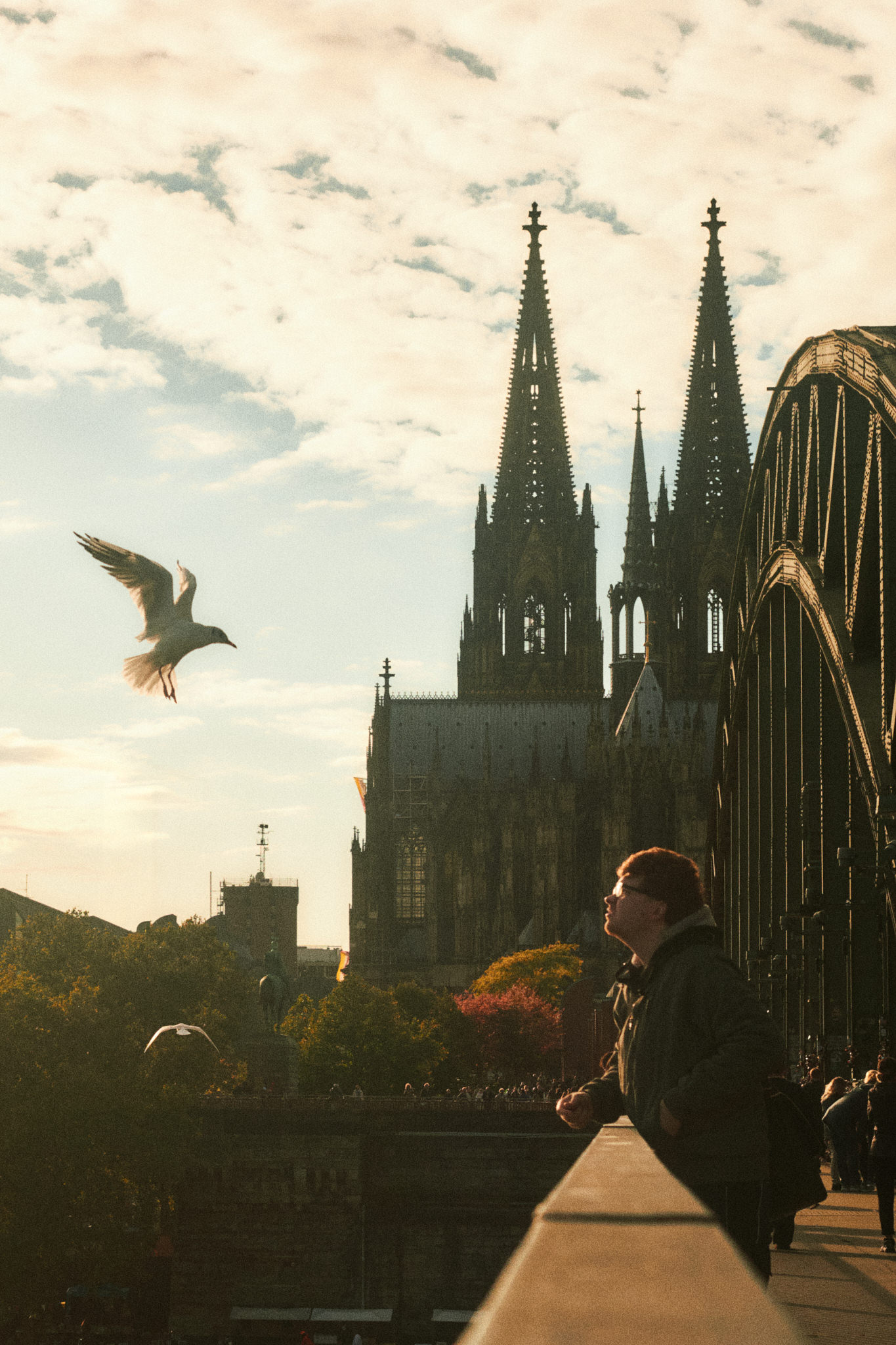
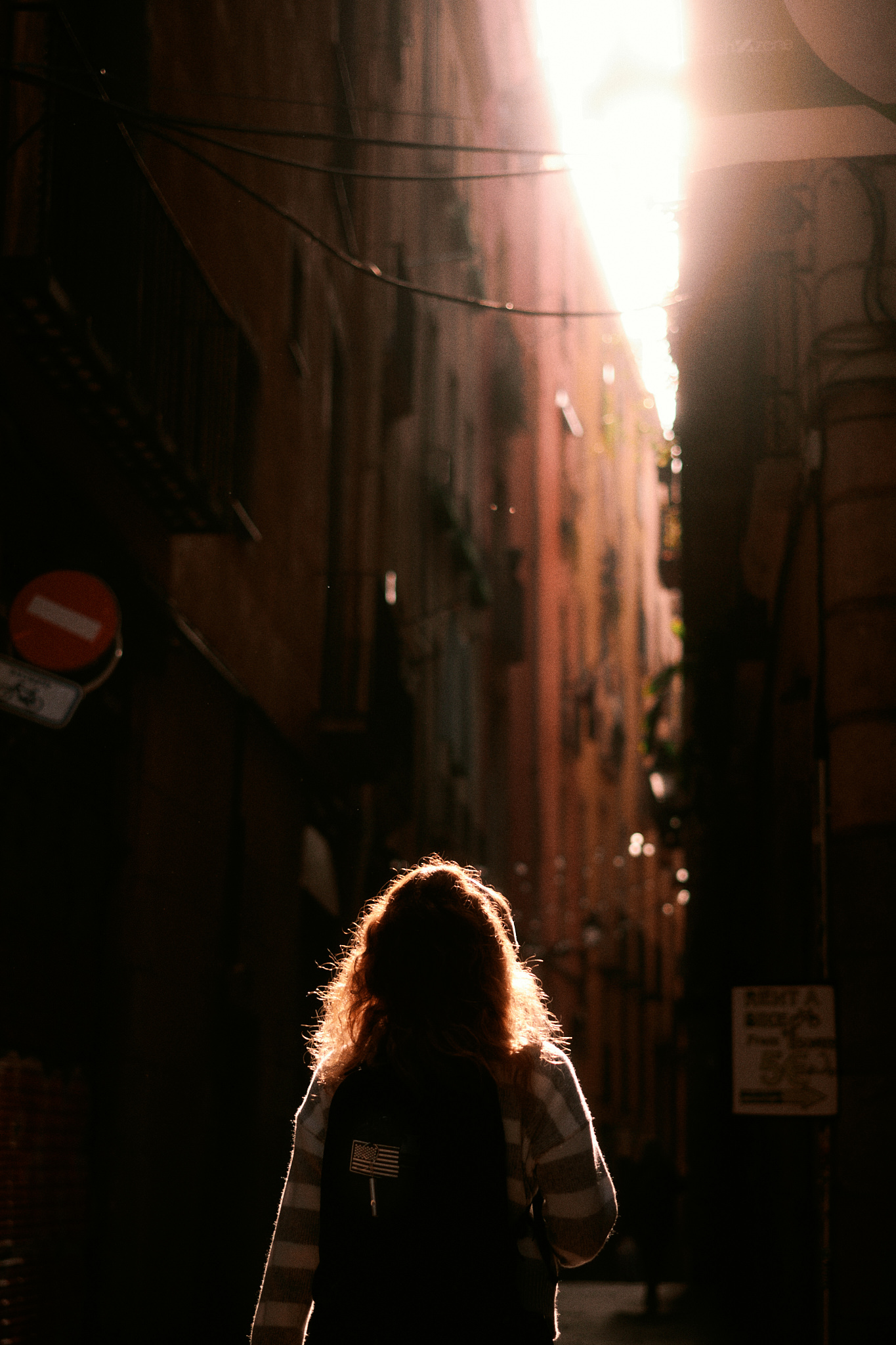
Some Tiffen Glimmerglass 1 examples shot on the Fujifilm X-T5:
My preference:
- If you like white halation, start at Glimmerglass 1/4. On a modern high-res sensor, that’s plenty.
- If you want something you can actually leave on your camera all the time without ruining images, Black Glimmerglass 1 is a safe choice.
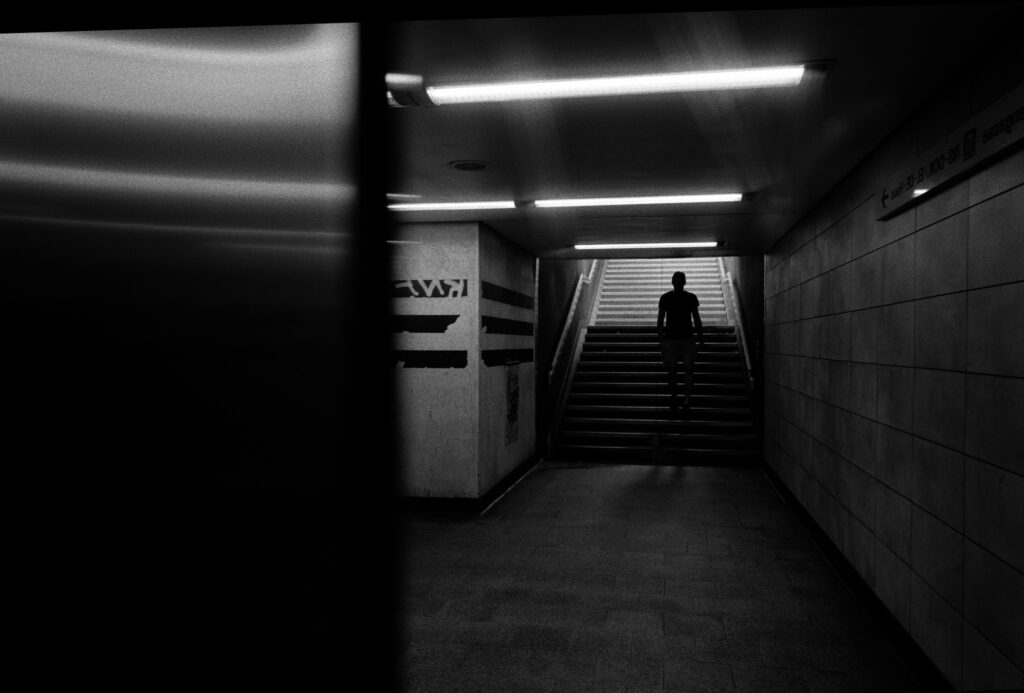
BGG1 lives in a nice place:
visible enough to shape the look, but subtle enough that it doesn’t hijack your photos.
Full-Frame vs APS-C: Leica Q3 vs Ricoh GR IV
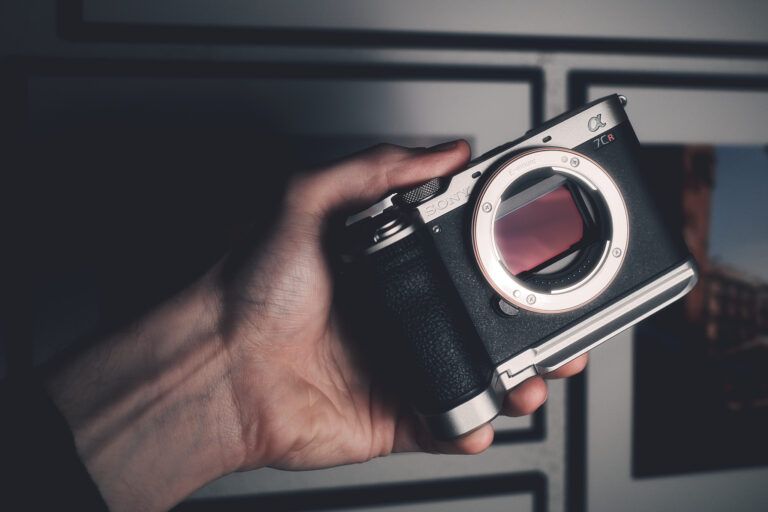
Using the same 49mm BGG1 on both cameras gave me two different flavours of the same look.
On Leica Q3 (full-frame)
- The effect feels clean and controlled
- Street lights, windows, and specular highlights get a gentle aura
- Contrast stays strong – shadows don’t wash out
- Details in textures and architecture still have bite
On the Q3, BGG1 mostly just makes the files feel less surgical.
It’s like taking the digital edge off without sacrificing resolution.
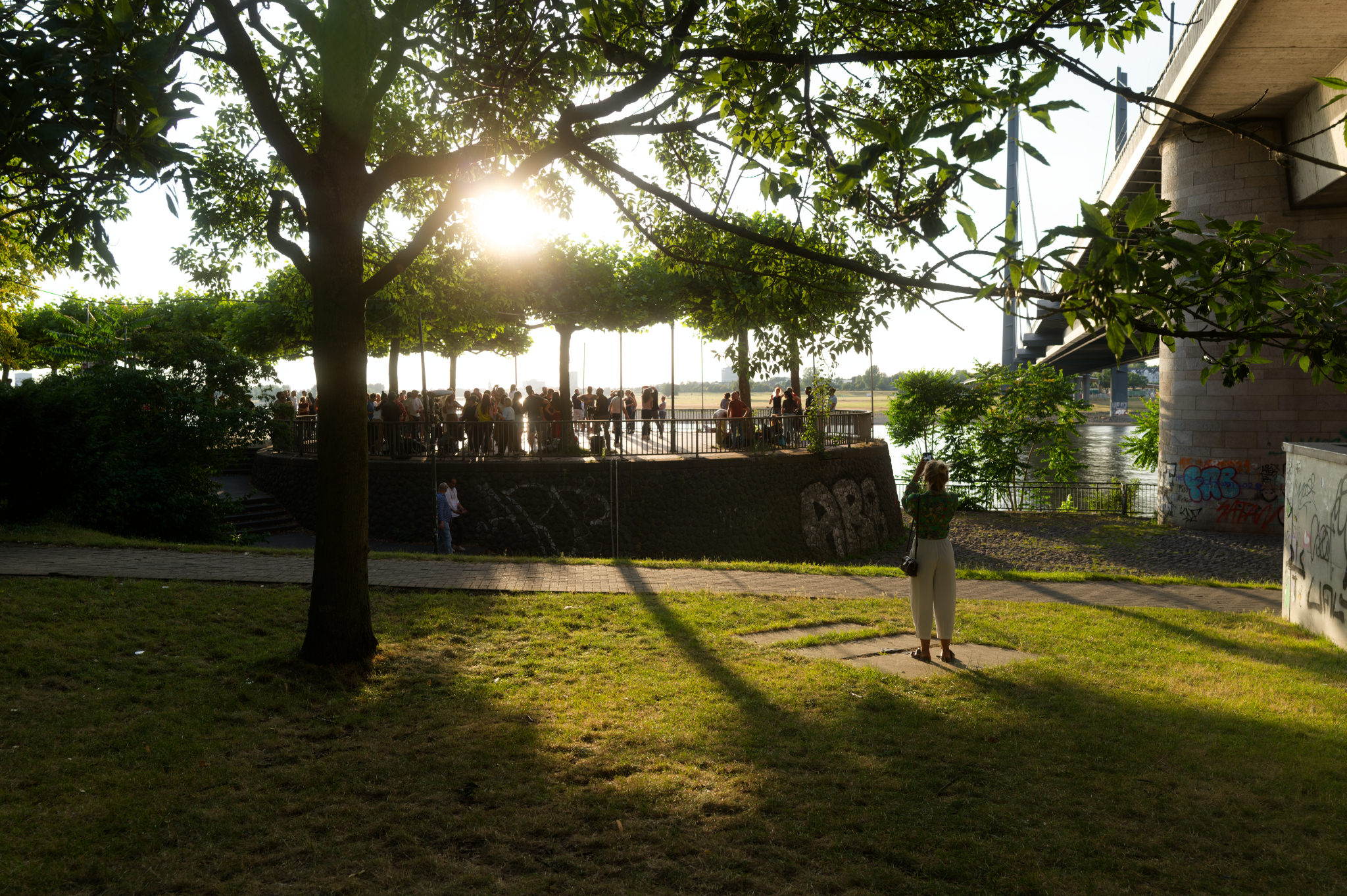
On Ricoh GR IV (APS-C)
- The effect is slightly more noticeable at the same strength
- Glow around small light sources (lamps, signs, reflections) pops a bit more
- The overall vibe reminds me of compact film cameras with good glass – modern but nostalgic
For me, it ends up like this:
- Leica Q3 + Tiffen Black Glimmerglass 1 = subtle cinema
- Ricoh GR IV + Tiffen Black Glimmerglass 1 = punchy, film-like street
Same filter, different character, both very usable.

Halation, “Stickiness” and Why Black Diffusion Feels More Like Film
One thing I really like about TIffen Black Glimmerglass: the halation is “sticky.”
What I mean:
- With white diffusion, the halo often spreads widely and affects everything around the highlight.
- With the TIffen Black Glimmerglass, the glow tends to cling more tightly to the light source and subject edges.
You can see it:
- On neon signs and car headlights: they get a defined aura, not a huge soft cloud.
- On backlit hair or shoulders: the edge light has a nicer roll-off, but you still keep structure in the subject.
This “stickiness” is why BGG1 reminds me more of real film halation than the generic mist look you see everywhere.
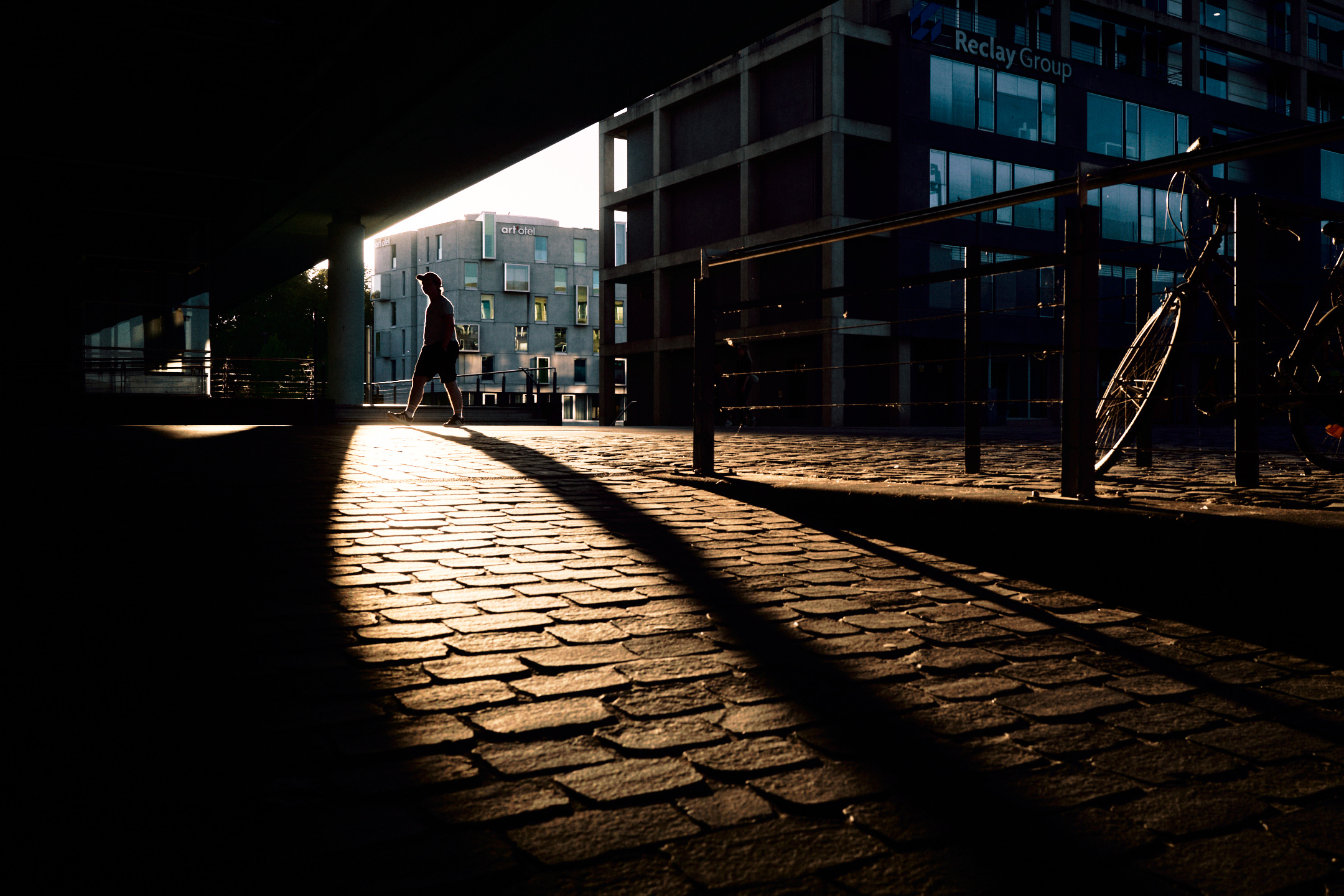
Orb Reflections & Flare: The Quirks You Should Expect
With the Tiffen Black Glimmerglass 1, especially at night, you’ll sometimes get:
- Orb-like reflections from strong point light sources
- Extra flare layers when you shoot directly into headlights, bare bulbs, or intense neon
To control them:
- Slightly change your angle if an orb lands on a face or key detail.
- Shoot a bit wider and crop later if a reflection is annoying.
- Accept that if you’re using diffusion at night, weird reflections are simply part of the aesthetic.
This happens partly because Tiffen uses older-style coatings that are more reflective than some modern options.
For example, the Shimmer 1 from K&F has less reflective orb behaviour – but it also doesn’t give me the same look as BGG1, so I’m fine with the trade-off. You can see one of those reflection in the comparions part of this Blog, I usally dont shoot at Night so it rarely happens for me.

Choosing the Right Strength for Different Focal Lengths
Diffusion strength doesn’t scale evenly. A “1/4” on one filter brand can look totally different from a “1/4” on another, and focal length changes the look even more. People always assume one strength works everywhere, but it really doesn’t.
Wide lenses (24–35 mm)
Wide lenses spread the glow and usually make diffusion look weaker. Most people go too light here. If you want a visible effect on a 28 mm, you often need to go one step stronger. On APS-C the effect gets a bit more noticeable because the field of view is tighter, but it still won’t hit as hard as on a portrait lens.
That said, some DPs swear it works the other way around and prefer lighter filters on wide lenses and stronger ones on telephoto. It really comes down to personal taste and the vibe you’re after, not a strict rule.
Normal lenses (35–50 mm)
This is the easiest range. Filter strengths behave predictably and you can judge the look quickly. Tiffen Black Glimmerglass 1 or Glimmerglass 1/4 are usually safe here — noticeable but not overcooked.
Portrait lenses (75–90 mm)
Telephoto concentrates the glow. Even a small strength becomes stronger. This is where people often overdo it. A 1/8 or a light 1/4 can already look heavy because the background is compressed and highlights stack up.
Strength picks (real-world, not theory)
Filter density numbers don’t scale consistently across brands. A BPM 1/4 can look completely different from a Glimmerglass 1/4, and Black Glimmerglass sits in its own category anyway.
If I had to simplify it:
- For black diffsuion: go Tiffen Black Glimmerglass 1 by default, or 1/2 if you want a lighter, more subtle effect. I think 1/4 would be barley noticable
- For white diffusion: Tifen Glimmerglass 1/4 is the sweet spot for most setups, 1/2 is already super strong
- Always test on your focal length, because wide = weaker effect, telephoto = stronger effect
Quick takeaway
Go a bit stronger on wide lenses, go lighter on telephoto, and pick mid-strength for everything in between. Tiffen Black Glimmerglass 1 works for me because it shows up on 28 mm without disappearing.
My Custom 49mm Tiffen Black Glimmerglass 1 Setup
The annoying part: Tiffen doesn’t officially sell Black Glimmerglass 1 in 49mm.
So mine is custom ordered.
If you can’t get 49mm easily, a good workaround is:
- Buy Tiffen Black Glimmerglass 1 in a more common size (52mm, 58mm, 77mm…)
- Use step-up rings from your lens thread to that size Step-up ring kit – 49mm to 58mm / 77mm
Should You Buy the Tiffen Black Glimmerglass 1?
For me, diffusion shouldn’t be loud. If the first thing you notice in an image is the filter, it’s already too strong for everyday shooting.
Tiffen Black Glimmerglass 1 hits a really nice middle ground:
If you’re currently using heavy Pro Mist or Glimmerglass 1 and keep feeling like it’s a bit too obvious, Black Glimmerglass 1 is a way more controlled option. It adds character without forcing a look onto every scene.
- sits between Glimmerglass 1/4 and 1/2 in perceived strength
- feels similar to Black Pro Mist 1/8 but with better contrast
- subtle enough to stay on my lenses most of the time
- gives a film-like halation without the cloudy, washed-out look
- works naturally with how I shoot anyway, because most of my digital and film work is already done with Glimmerglass-style diffusion in mind
Next step for me is a full Tiffen Black Glimmerglass 1 vs Tiffen Glimmerglass 1 vs Tiffen Glimmerglass 1/4 comparison with real-world examples. That’s where the real nerd stuff begins.
If you want more Tiffen Black Glimmerglass 1 examples, just check out my portfolio. Most of my photos are either shot on digital with Glimmerglass or on film, so you’ll see the look in a lot of different situations.

Hi, thanks for your review and this is the best review for glimmerglass so far , so may I know how can I custom made a 49mm black glimmerglass and how much is it?
Thanks. I think I paid 70 Dollars + Tax.
You can request it here : https://tiffen.com/pages/contact
I have made some more research about the Blackglimmerglass. Basically the Black Satin is Blackglimmerglass at a low strength + a optical softening filter, most likley Tiffen Soft Fx. So Black Satin at 1/2 or 1/4 is almost identically to a lower strenght Black Glimmerglass. I have also bought a Black Satin 1/4 and will compare them in the future.
If you compare them on the Preisner site it looks like the Black Glimmerglass actually has a way more pronounced effect than the plain Glimmerglass. Black Glimmerglass @ 1/2 has halation around the lightbulb that is comparable to Glimmerglass @ 3. Perhaps they’ve changed the filters, or perhaps I’m missing something.
The halation is quite different with the regular glimmerglass. It really depends on the lighning conditions in non studio enviroments. I think the Blackglimmerglass 1 is about a Glimmerglass 1/2 in halation strength but has less softening. The difference between white and black halation is quite different in all kinds of situations.
Thanks! Think I just need to buy both honestly. It’s a pity there’s no way to try these all on for size as it’s an expensive game 🥲
You could also go for the Black Satin 1/2 or 1/4. It is basically a low strenght Blackglimmerglass with another resolution reduction / softening element, probably the Tiffen Soft Fx. The halation stays mostly the same across the different strengths for the Black Satin, only the softening gets stronger unlike with the Glimmerglass filters.
What I’m trying to do is go from Ricoh GR IIIx digital files to something that closely resembles Portra 400 off a Frontier scanner, but I realise that it’s very difficult to even put into words what the differences are. One major difference is in the way highlights are reproduced, and I’m aware that halation is part of that equation, but it’s obviously also not limited to that. Most people’s tastes for filtration are massively over stylised, so it’s hard to find answers on what gets you to that place of naturalistic ‘analogue’ vibe. Over years I guess I’ll figure it out! Cheers
I think what you are looking for is a more natural highlight Roll-off, especially with the insane highlight latitude Portra 400 has. I think for this Black Glimmerglass or Black Satin are the best options if you overexpose a bit. Will obvsiouly never look as natural as the real deal but its the closest we can get.
Thank you so much for your recommendations. I’ll report back!